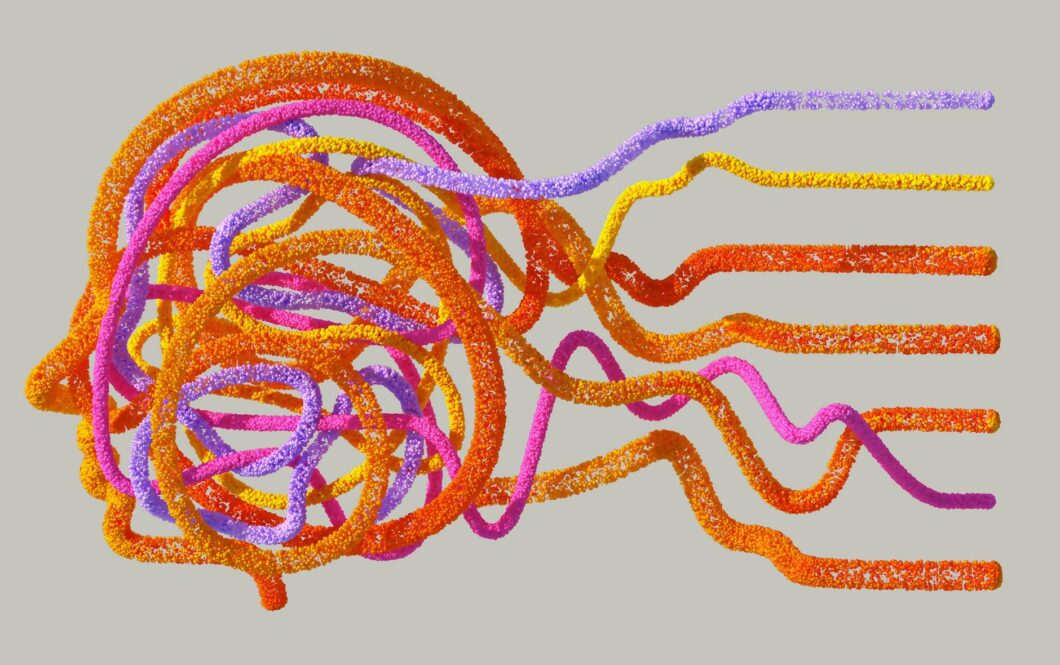
When life shifts—whether the change is welcome or not—for the brain, it can feel like like a full-body alarm. When faced with uncertainty, the limbic system signals potential danger. The heart rate quickens, cortisol rises, and the body prepares to act. Even welcome changes like a new job, an exciting creative project, or a move can activate this same stress response simply because they pull us out of the familiar.
Yet within this same system lies our capacity to adapt. The prefrontal cortex, the part of the brain responsible for focus and problem-solving, helps us to imagine new possibilities. Neuroplasticity—the brain’s ability to form new pathways—means that each time we navigate transition with conscious awareness, we’re literally reshaping our brains to become more resilient and flexible.
When we breathe, ground, or engage simple rituals during times of transition, we signal safety to the nervous system. This allows the prefrontal cortex to re-engage, opening the door to clarity, creativity, and insight. Over time, the brain learns that change can be a place of possibility, not just survival.
Ask yourself:
- How does your body typically respond to change?
- Where do you feel it most—your chest, your stomach, your breath?
- What helps you shift from tension when something unexpected happens?
- What might your nervous system be trying to communicate when change feels overwhelming?
Try this:
Pause for a moment and notice your breath. Without trying to change it, let your awareness rest on the rhythm of your inhale and exhale. Gently invite curiosity: What is my body noticing about this change? What sensations, thoughts, or emotions are arising right now? Allow the answers to come through feelings, not thought, and explore them with openness. By gently and playfully engaging your curiosity, you signal to your nervous system that there is no immediate danger.